
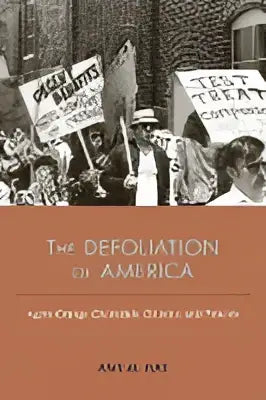


This study examines the domestic and international use of phenoxy acids by the United States in the mid-twentieth century. In The Defoliation of America: Agent Orange Chemicals, Citizens, and Protests Amy M. Hay highlights the attitudes, motivations, and insights of grassroots activists who opposed the use of phenoxy herbicides, better known as Agent Orange, in American daily life after World War II.
Content and focus
- Analysis of citizen reactions to regulations on chemical substances
- New insights into state authority and societal responsibility
- The role of scientific authority and expertise
- Protests by diverse citizens against chemical applications
Phenoxy acids were deployed starting in 1946 for weed control and forest management, as they affect broadleaf plants without harming grass and grains. Production rose in the 1950s to millions of kilograms per year. From the late 1950s, growing resistance emerged, a process accelerated by the publication of Rachel Carson's Silent Spring in 1962. During the Vietnam War, nearly 19 million gallons of Agent Orange were used, leading to broader attention to the long-term damage of these chemicals.
Method and contribution
Hay uses diverse sources and an interdisciplinary approach, contributing to research on chemical toxicity, regulation, environmental management, and public health. The book brings together scientists, activists, and veterans who have campaigned against chemical policies in the United States.
Language and target audience
This reference work is written in English and aimed at a broad audience, including researchers, students, and professionals in environmental sciences and public health. The learning material is suitable for self-study and advanced-level education.
Intertaal is your reliable supplier that guarantees fast delivery and high-quality learning materials.