
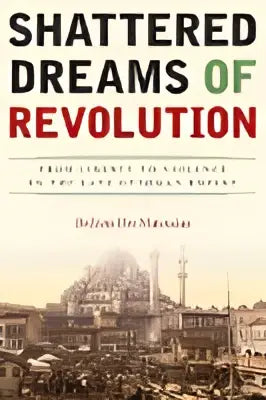


The Ottoman Revolution of 1908: A Study in Contradictions
The Ottoman Revolution of 1908 symbolizes both hope for modernization and the beginning of deep conflicts within the empire. The aim was to restore constitutional government, but it led to growing ethnic, religious, and political tensions.
Key Target Groups and Expectations
- Arabs
- Armenians
- Jews
These groups saw opportunities for inclusion and citizenship in the revolution. After the initial euphoria faded, they gave way to pessimism and conflicts.
The Complex Consequences of the Revolution
The contradictions lay in the goals of the revolution itself. Both the leaders and the ethnic groups failed to reach a compromise for a new political framework. The supporters of the revolution were not fully committed to constitutionalism, resulting in the absence of equal rights and a joint parliamentary system.
Relevance Today
In a time when the Middle East is once again experiencing revolutions, the lessons from 1908 offer valuable insights into the tension between hope and disappointment that accompanies revolutions.
Information about the Learning Material
This text is suitable for adult NT2 learners at B2-C1 level and can be used for self-study, education, and work-related situations.
Intertaal is your reliable supplier and guarantees fast delivery of this learning material.