
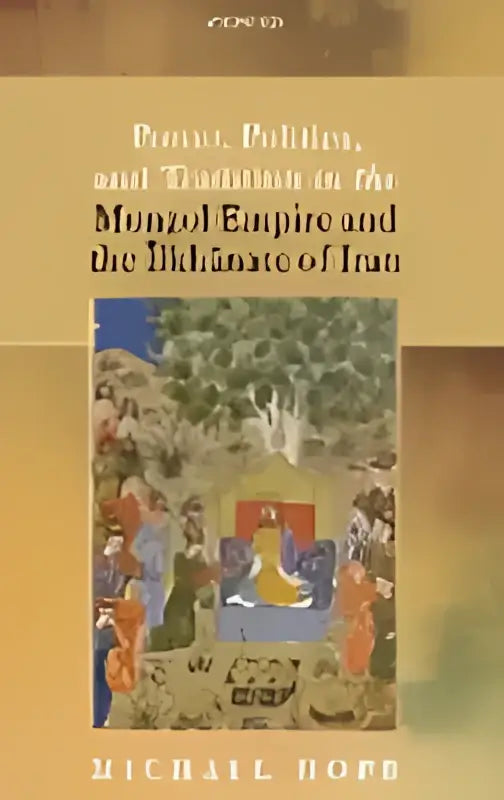


This study offers a new interpretation of political authority in the Early-Mongol Empire (1227-1259) and its successor state in the Middle East, the Ilkhanate (1258-1335). Authority within the Mongol Empire was closely linked to Chinggis Khan, whose rule served as the ideal model for his successors.
After his death, two political traditions emerged within the empire: the collegiate and the patrimonial streams. These represent, respectively, the interests of the military aristocracy and the central government. Both groups claimed Chinggisid authority, but their different positions led to divergent visions of legitimate political authority.
Michael Hope analyzes the origins and differences between these traditions and their role in the political development of the Mongol Empire and the Ilkhanate. He also examines the ideological tensions that contributed to the eventual fragmentation of the Ilkhanate.
This study is suitable for historical education and self-study in academic contexts. Intertaal is your reliable supplier and guarantees fast delivery of this valuable learning tool.