
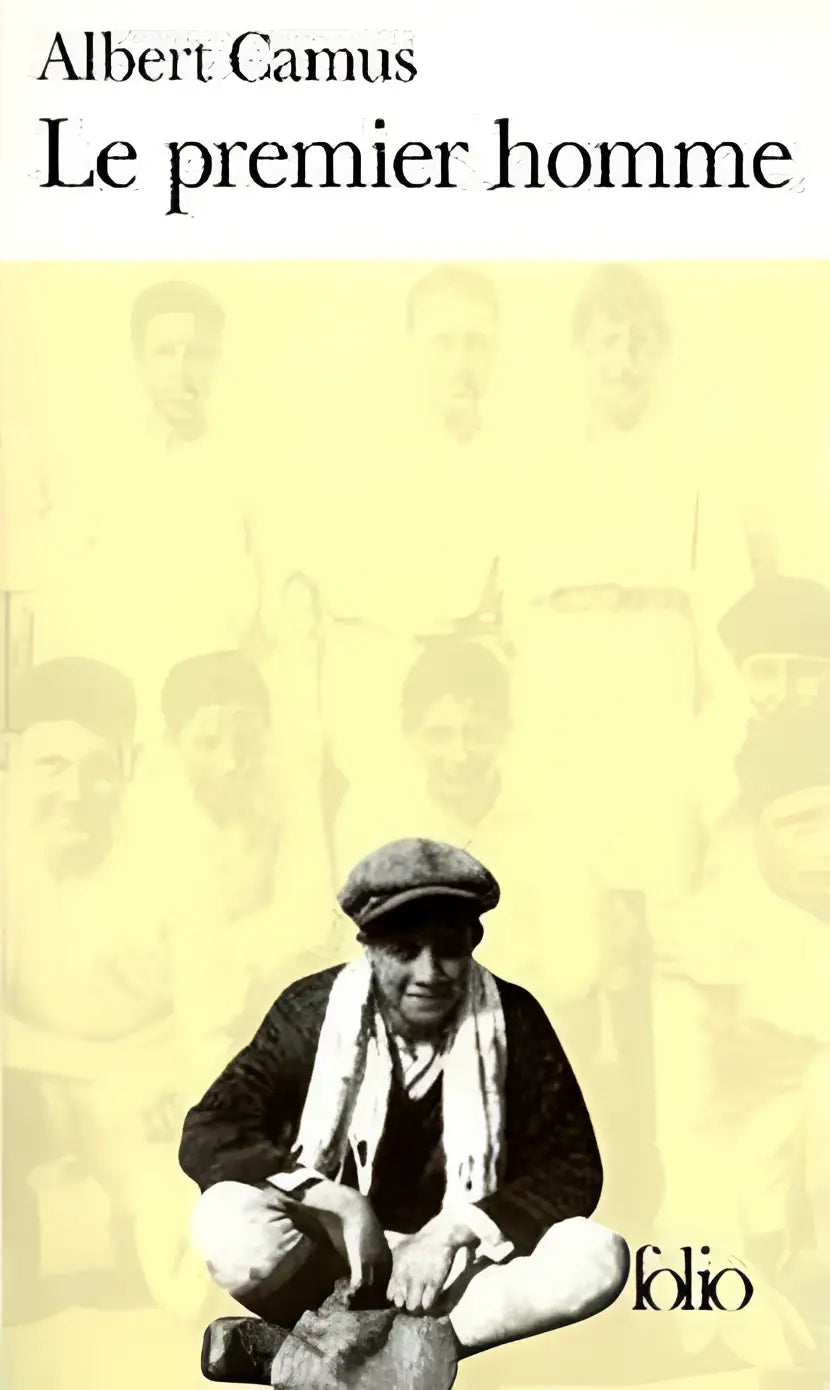

"In short, I'm going to talk about those I loved," writes Albert Camus in a note alongside his novel The First Man. This ambitious work, on which he worked until his death, probes in depth the origins of his identity and his authorship. With this project, Camus wanted to expose the secrets of a universal art that brings the characters to life in their full human dimension, in their flesh and time,
The first version is an autobiographical account of the youth of his "premier homme". This personal aspect would likely have been less prominent in the final version of the novel, but precisely this autobiographical quality makes the document particularly valuable today.
After reading this text, the roots of Camus' personality become clear: his sensitivity, the emergence of his thinking, and his social commitment. He speaks on behalf of them, "to those whose right to speech is refused," which highlights the deeper meaning of The First Man .