
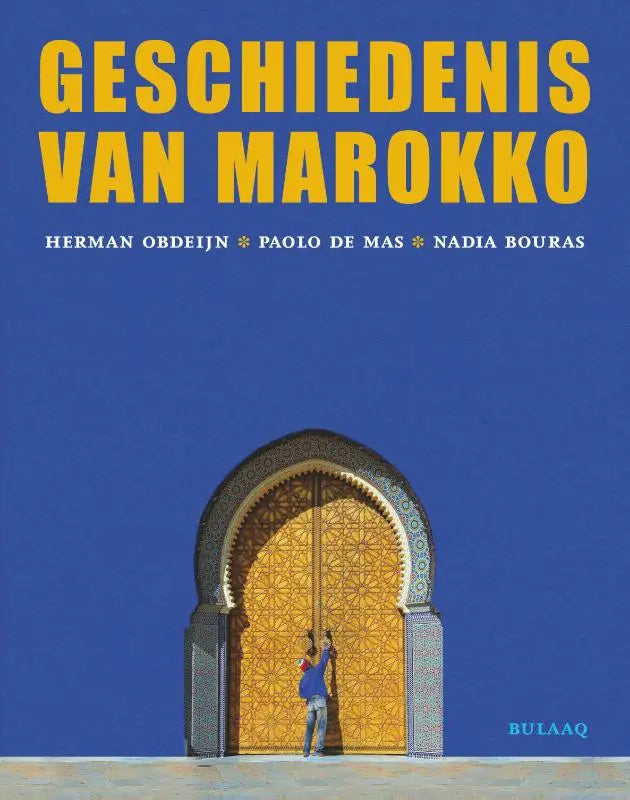


Overview of the History of Morocco
Morocco has been shaped by its strategic location between Africa and Europe, at the gateway to the Mediterranean Sea. Already in antiquity, Punic traders settled along the coast, followed by Roman domination. In the seventh century, Arabs introduced Islam and the Arabic language, which are inextricably linked to the country. In addition, the Jewish community, which was present for almost two thousand years, played an important role.
For seven centuries, Berber dynasties ruled over Morocco and Al-Andalus. After the conquest of Al-Andalus by Spain in 1492, part of the Moors and Jews fled to North Africa, where their culture remains visible especially in cities like Fès and Tétouan. From the sixteenth century, France and Spain strengthened their influence, leading to the colonial period of French and Spanish domination (1912-1956). This was followed by various uprisings by the population.
After the death of King Hassan II in 1999, a new phase began under Mohammed VI, who announced major political and social reforms. Although there has been progress, the change appears limited and the power of the royal house and economic influence remain great. At the same time, the awareness and assertiveness of the population are growing.
Key Points in This Edition
- Social, economic and political developments under Mohammed VI
- The position of women in Moroccan society
- The limited power of parliament
- The causes of the Hirak movement
Reviews
"This book alternates historical main lines with engaging anecdotes, supported by authentic visual material such as paintings and stamps." – Janus Verrelst, Kifkif.be
"An indispensable history that provides insight into our world and is specifically valuable for both Dutch people and Dutch Moroccans." – Abdelkader Benali, AD
"The book answers many questions and serves as an important reference work in the Dutch-speaking area." – Dr. Khalid Mourigh, Meertens Instituut KNAW
Language and Suitability
The text is written in Dutch, suitable for both NT2 learners at an average language level (B2-C1) and for in-depth self-study and education. It offers a clear and structured overview that is easy to understand for those interested in Moroccan history and culture.
Intertaal is your reliable supplier and guarantees fast delivery of this valuable reference work.